It was a pleasant summer afternoon. I was sitting at Coupa Café at Stanford’s Graduate School of Business, waiting to meet an MBA student who wanted to discuss a topic I have been discussing for a while: The Knowledge of Value and the Value of Knowledge.
After some small talk, he got straight to the point.
“Here’s my dilemma,” he said. “Is it worth spending $200,000 on this degree?”
“$200,000?” I asked.
“Not including living expenses,” he replied.
I didn’t answer immediately.
Because I honestly didn’t know the answer.
Instead, I asked him a question.
“Wouldn’t it be interesting to run an experiment? What if someone invested that $200,000 in ProShares of QQQ (Nasdaq index) and simply left it untouched for fifteen years?”
We discussed various possibilities, but the conversation eventually drifted elsewhere. He completed his MBA and returned to India.
That was in 2013.
Earlier this year, he unexpectedly messaged me.
“Do you remember our conversation at Stanford?” he asked.
“Of course.”
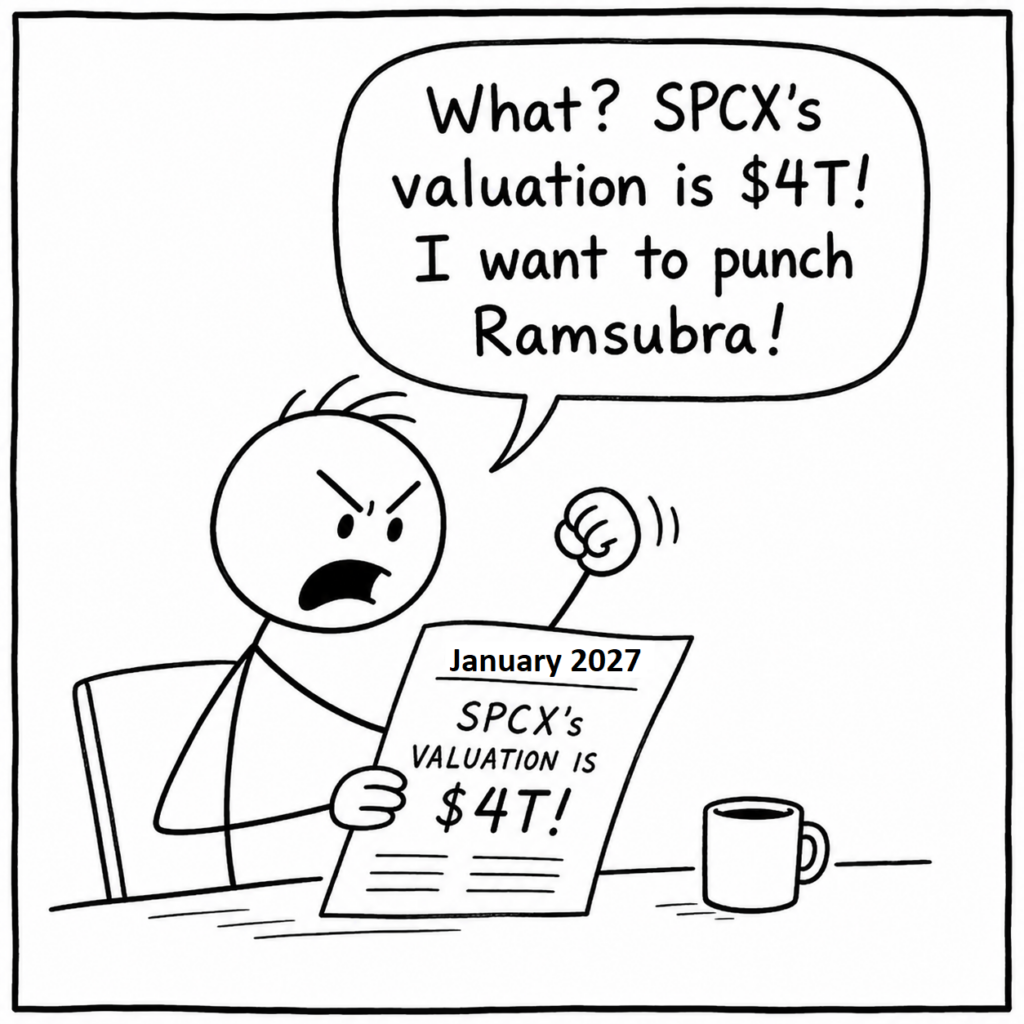
“Do you know what $200,000 invested in ProShares of QQQ back then would be worth today?”
I had no idea.
“More than $20 million!” he replied.
There was a long pause.
“Do you wish you had done that instead of getting an MBA?” I asked.
“I don’t know,” he said. “I’m only 45. I still have a few decades to benefit from what I learned and the relationships I built.”
“Fair enough,” I replied. “Ping me in 2036.”
Of course, hindsight makes every investment decision look obvious. In 2013, nobody knew that ProShares of QQQ would become one of the best-performing investment vehicles of the next decade. So many things could have happened. The investment could have performed far worse. He could have launched a successful company with Stanford classmates and created far greater wealth. He could have earned his degree and invested aggressively afterward.
The point is not that one choice was right and the other was wrong.
The point is, it’s time to change our perspective on college degrees, especially the graduate ones.
For decades, the question was:
“What is the ROI on this degree?”
Today, a more relevant question must be:
“How does the ROI on this degree compare with other possible investments of time, money, and effort?”
Returns mean little in isolation. Every decision has alternatives.
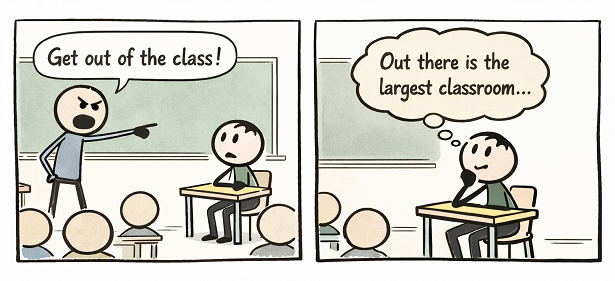
In societies where prestigious degrees are often viewed as symbols of status, making that comparison can be uncomfortable. Yet it is a comparison worth making. This does not mean education has lost its value. Far from it. Because, degrees and education are not the same thing. Today, disciplined and self-motivated people can access extraordinary educational content through YouTube, online courses, AI tools, digital communities, and open resources—often at little or no cost.
If students are increasingly questioning the financial value of degrees, universities must also confront a second challenge: the changing nature of knowledge itself.
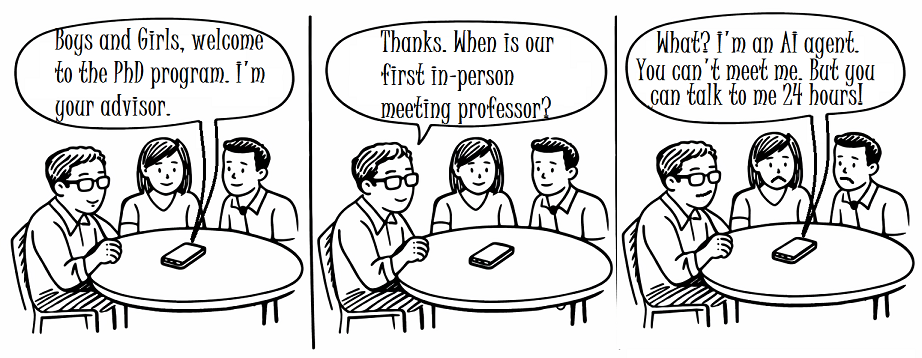
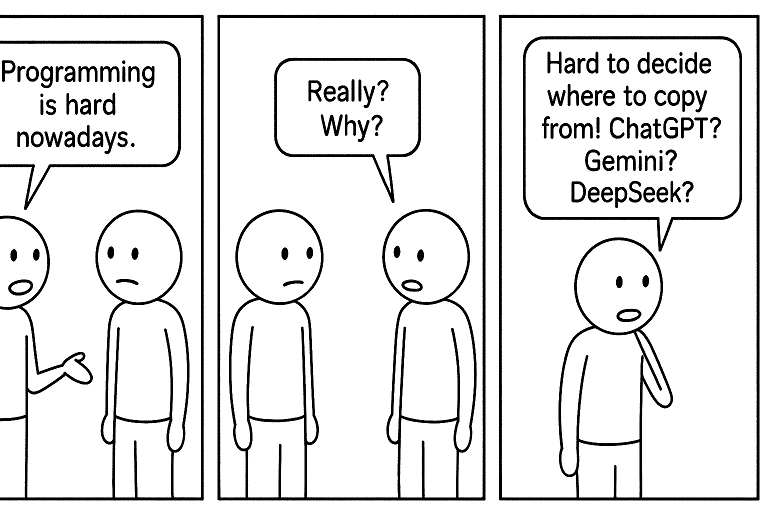
Faculty members are no longer competing only with colleagues at neighboring institutions. Students now have instant access to explanations, examples, simulations, and personalized tutoring from systems developed by organizations such as OpenAI, Anthropic, and others.
This reality should not threaten educators. It should challenge them (us).
Universities must ask:
Are we delivering value that commensurates with the investment students and families make? Or, are we just offering commoditized content in classrooms?
Faculty must ask:
What can we provide that a YouTube video or an AI system cannot?
The answer is not information. Information has become abundant. The answer is judgment, mentorship, inspiration, context, challenge, community, and human connection. The deeper question is whether our educational institutions are helping students understand both the value of knowledge and the knowledge of value—the ability to make wise decisions about opportunities, trade-offs, careers, and life itself.
As educators, our responsibility is simple:
Be interesting.
Be engaging.
Be scholarly.
Most importantly, be caring.